The vibrant energy of India’s premier craft festival turned somber this week after a deadly accident at the 39th Surajkund International Crafts MelaFaridabad. A massive amusement ride collapsed on Saturday evening, killing an on-duty police inspector and injuring 13 others. It was the second major safety incident at the fair in just days, casting a long shadow over what was supposed to be a celebration of culture and commerce.
Here’s the thing about these mega-events: they draw millions, but safety often takes a backseat to spectacle. The tragedy occurred around 5:15 pm on February 7, 2026, when a 360-degree pendulum swing, locally known as the “Tsunami Swing,” tilted violently before crashing down. Among those hurt were artisans, visitors, and security personnel who had gathered near the ride.
A Dark Turn for a Cultural Showcase
The victim has been identified as Jagdish Prasad, Police Inspector. Reports indicate he was attempting to rescue trapped riders when debris struck his head and face. His death has sparked outrage across social media and prompted immediate calls for accountability from local authorities.
This wasn’t an isolated glitch. Earlier in the fair’s run, an entrance gate had collapsed, injuring two people. That incident should have triggered a full safety audit. Instead, operations continued. Now, with a fatality on record, the mood among stallholders and performers has shifted dramatically. Artisans told reporters that the festive atmosphere vanished overnight, replaced by fear and uncertainty.
“We came here to showcase our work, not to worry if the rides above us will fall,” said one woodcarver from Meghalaya, speaking on condition of anonymity. “The joy is gone.”
High-Level Inauguration vs. Ground Reality
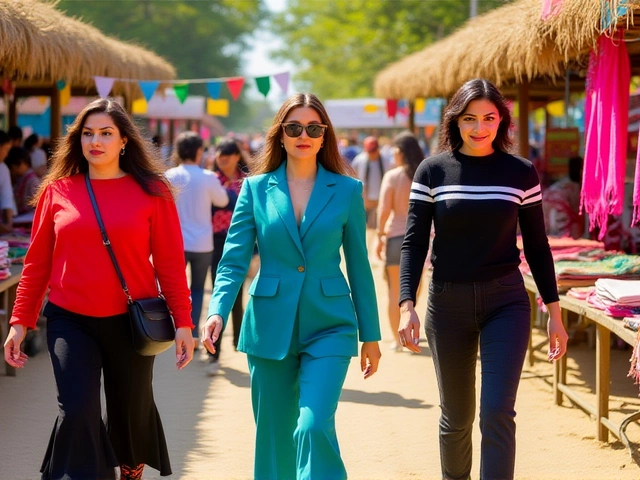
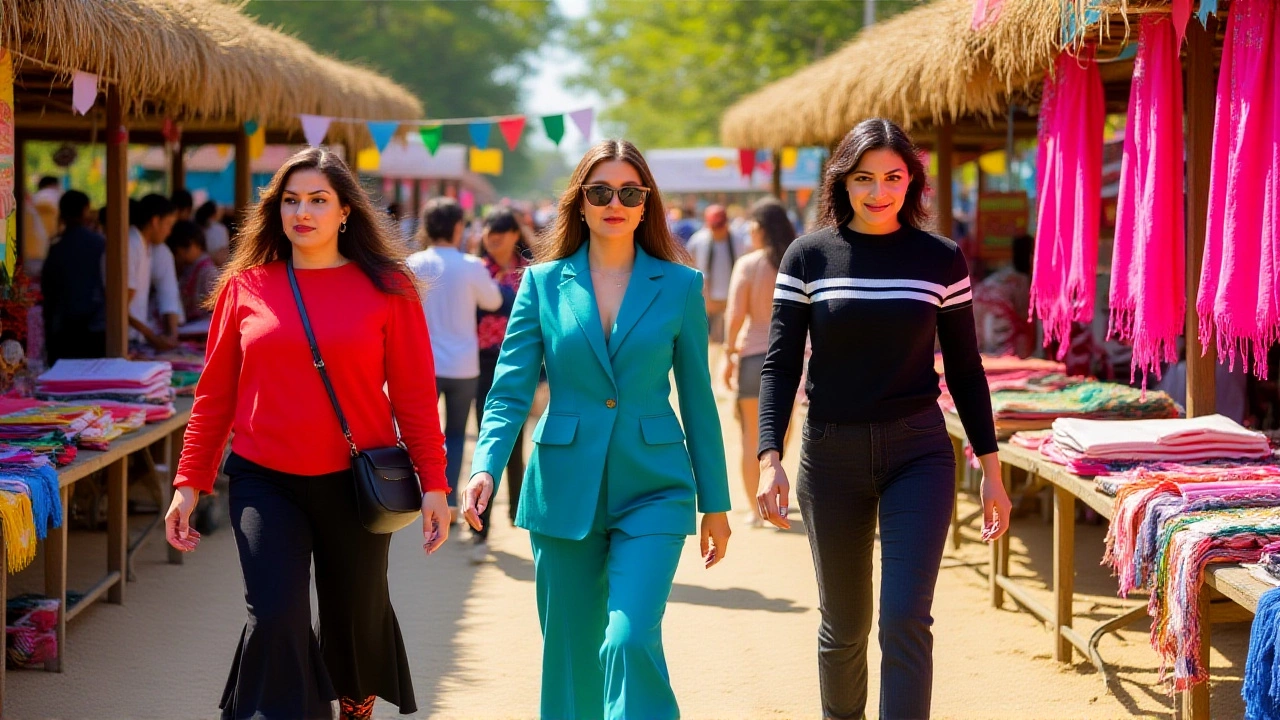
Just days earlier, the event opened with fanfare. C. P. Radhakrishnan, Vice President of India, inaugurated the mela alongside Nayab Singh Saini, Chief Minister of Haryana. The theme for 2026—“Local to Global – Atmanirbhar Bharat”—aimed to highlight self-reliance through indigenous crafts. Theme states Uttar Pradesh and Meghalaya, along with partner country Egypt, were given prime spots to display their heritage.
But while dignitaries cut ribbons, the infrastructure supporting the event seemed fragile. The fair is jointly hosted by multiple government bodies, including the Ministry of Tourism, Ministry of External Affairs, and the Indian Council for Cultural Relations (ICCR). Yet, oversight appears fragmented. Who exactly is responsible for ride safety? The state tourism board? Private vendors? Local police? The lines are blurry—and now, tragically, so is the cost of negligence.
Safety Failures Under Scrutiny
Officials have launched an investigation into the collapse. Hindustan Times reported that inquiries are underway to determine whether maintenance protocols were ignored or if structural defects went unnoticed. But questions remain: Were regular inspections conducted? Was there adequate staffing during peak hours?
The previous year’s edition saw participation from over 44 countries and 635 foreign artists. This year, Hungary and Bosnia & Herzegovina were specifically invited, with promises of free accommodation and transport. These international guests likely never imagined their cultural exchange would coincide with such a disaster.
Turns out, even grand gestures can’t mask operational lapses. The Surajkund Mela Authority claims its goal is to promote rural crafts and create a village-like ambiance for urban visitors. But without basic safety standards, that vision feels hollow.

What’s Next for the Mela?
Despite the tragedy, the fair continues until February 15. However, attendance has reportedly dropped. Security has been tightened, and some rides have been temporarily shut down pending review. Authorities say they’re cooperating fully with investigators, but trust needs rebuilding—not just statements.
For artisans, especially those from smaller communities relying on sales at the mela for annual income, the impact is real. Fewer visitors mean fewer purchases. And with negative headlines dominating news cycles, potential buyers may stay away entirely.
In the background, historical context matters. Since its inception in 1987, the Surajkund Mela has grown into one of Asia’s largest craft fairs. It’s become synonymous with cultural diplomacy and economic opportunity for rural craftsmen. But growth must come with responsibility. If safety isn’t prioritized, future editions risk losing credibility—and worse, lives.
Frequently Asked Questions
Who died in the Surajkund Mela accident?
Police Inspector Jagdish Prasad died after being struck by debris from the collapsing Tsunami Swing ride. He was attempting to rescue trapped riders when the accident occurred on February 7, 2026.
How many people were injured?
At least 13 people were injured in the swing collapse. Two additional individuals were hurt earlier in the fair when an entrance gate fell, making it the second major safety incident during the 2026 edition.
Is the Surajkund Mela still running?
Yes, the fair continues until February 15, 2026. However, attendance has declined, and several amusement rides have been suspended pending safety reviews. The overall mood remains subdued among participants.
Which organizations are hosting the 2026 Surajkund Mela?
The event is jointly hosted by the Ministry of Tourism and Culture, Ministry of External Affairs, Ministry of Textiles, Indian Council for Cultural Relations (ICCR), and the Government of Haryana. Coordination is managed by the Surajkund Mela Authority and Haryana Tourism.
What was the theme of the 2026 Surajkund Mela?
The theme is “Local to Global – Atmanirbhar Bharat,” focusing on promoting self-reliant India through indigenous crafts. Theme states include Uttar Pradesh and Meghalaya, with Egypt as the international partner country.